As heating and cooling technology continues to evolve, many government agencies are setting standards to enhance energy efficiency and reduce environmental impact. A significant change to the HVAC industry that we will experience in 2026 includes new refrigerant regulations and industry standards. As a homeowner, it can be helpful to understand the changes going on in the HVAC industry and how they impact your use of your Flower Mound, TX HVAC system.
Understanding HVAC Refrigerants
One of the biggest areas of change in the HVAC industry is with the use of certain types of refrigerant. Refrigerant is considered the lifeblood of any air conditioning system or heat pump unit. Its job is to effectively absorb heat from one location and transfer it to another location.
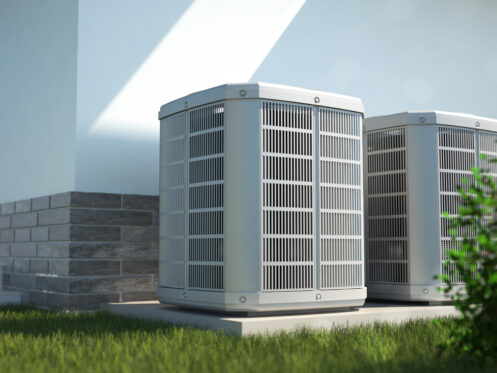
During the summertime, your central air conditioner will absorb heat from inside your home and transfer it to the outdoors. By absorbing heat and removing it from your home, these systems essentially leave cold air behind. This is what keeps your home cool and comfortable during the hot summer season. Heat pumps work the same way in the summertime and in reverse during the wintertime. Instead of absorbing heat from inside, they absorb heat from the air outside and bring it into your home to warm it up.
Refrigerant Trends
Over the years, there have been many different refrigerants used for residential HVAC systems. One that dominated the industry just decades ago was R-22. Unfortunately, over time, this product was shown to have high levels of chlorofluorocarbons, or CFCs for short. These have been shown to deteriorate the ozone layer and have a high global warming potential. Due to these findings, the federal government officially phased out the use of R-22 refrigerant in January of 2020.
The replacement for R-22 was R-410A refrigerant. At the time, R-410A was thought to be more environmentally friendly than R-22. Unfortunately, it was eventually found that the hydrochlorofluorocarbons, or HCFCs, in R-410A have a higher global warming potential than originally thought. This brought regulators to the phase-out of R-410A, and they replaced it with an eco-friendly refrigerant.
As of January 1st, 2025, the EPA banned any manufacturing or importing of residential systems that use R-410A. Instead, manufacturers had to start producing systems with newer refrigerants. Two of the most common refrigerants now used in modern systems are R-32 and R-454B. As of January 1st, 2026, HVAC contractors may no longer install systems using R-410A refrigerant.
The production of R-410A refrigerant for existing systems is also being significantly scaled down. As of 2029, there will be a 40% reduction in HFC production in the country. By 2036, there will be an 80% to 85% reduction.
What If Your System Uses R-410A Refrigerant?
After reading about the R-410A phase-out, one of the biggest questions homeowners have is whether they can still run their existing system that uses that refrigerant. If your system was installed before January 1st, 2026, you can still run your existing air conditioning system or heat pump that uses R-410A. You can continue to use this system until it completely fails and requires replacement. At that time, you will need to purchase a new unit with a compliant refrigerant.
One of the most notable things about running an outdated system is that the supplies of new refrigerant will dwindle over time. This means if your system develops a refrigerant leak that requires recharging, you may expect to pay significantly more than you have in the past. This simply comes from the natural rule of supply and demand. As the supplies of R-410A start to decrease over the years, their price will increase.
You may also find it more challenging to find an HVAC contractor that continues to offer R-410A refrigerant recharges. It’s also important to know that continuing to run your outdated system with R-410A refrigerant is more damaging to the environment than if you were to upgrade to a system with one of the newer refrigerants.
Can Your System Be Converted?
Because the price of R-410A refrigerant will continue to rise, it’s common to wonder if you can simply convert your existing AC to use one of the newer refrigerants. The simple answer is that you can’t. Trying to mix these two different types of refrigerants can lead to system failure and safety hazards. They both require different handling pressures, requirements, and safety standards. If you want to use one of the new R-454B or R-32 refrigerants, you need to purchase a system that’s specifically designed to use that particular refrigerant.
Enhanced Efficiency
One of the biggest advantages of purchasing a new system with one of the newer refrigerants is its enhanced energy efficiency. Newer refrigerant formulas provide better heat transfer, which reduces overall energy consumption. This has a domino effect on your energy consumption. The more efficient your cooling system, the less often it needs to run. This has less impact on the environment than outdated systems that run continuously.
Apart from just the new refrigerant working more efficiently, newer systems are designed with modern-day efficiency improvements. Because these refrigerants operate differently from R-410A, all HVAC manufacturers had to completely redesign their systems. This allowed them to include things like variable-speed motors, advanced compressor technology, and enhanced airflow designs.
Higher Upfront Price
While redesigning HVAC systems to use the newer refrigerant is great for enhancing efficiency, it does have a drawback. All these HVAC manufacturers increased the price of their newer products due to design costs. This means that purchasing an air conditioning system today will likely cost more than purchasing your last one. However, it’s important to consider the long-term energy savings that you can get from more energy-efficient models when making your purchasing decision.
Reduce Environmental Impact
The main goal of transitioning to newer refrigerants is to reduce the environmental impact of these systems. Refrigerants with lower global warming potential release fewer greenhouse gases into the atmosphere. If you’re still relying on a system that uses R-410A refrigerant, it’s more damaging to the environment than if you were to upgrade to a system with one of the newer refrigerants.
Should You Upgrade?
Whether you should upgrade your outdated HVAC system really depends on numerous factors. One of the most obvious is the age of your system. In general, most central air conditioners last about 15 to 20 years, while heat pumps can last about 10 to 15 years. If your system is approaching the end of its useful life, it may be more cost-effective to simply upgrade it than to repair refrigerant problems.
It can be helpful to plan for a replacement so you can do it at a time that is most convenient for you and your budget. Keep in mind that the price of servicing systems with R-410A refrigerant will continue to get more expensive over time. Upgrading to a newer unit that uses R-454B or R-32 refrigerant ensures more long-term reliability and compliance.
Reliable AC Replacement Service
Honest Home Services LLC provides reliable AC replacement service for Flower Mound and the surrounding communities. We can also assist with all your AC repair and maintenance needs. Phone our office at Honest Home Services LLC today to book your next service appointment with one of our helpful HVAC technicians.