Your HVAC system can seem solid and dependable until one small part throws the entire setup off balance. Many breakdowns do not start with a major mechanical failure. They begin with components most homeowners never notice, tucked behind panels, inside cabinets, or buried in ductwork. These overlooked components often show signs of trouble long before the system stops working. At Honest Home Services LLC, in Flower Mound, TX, we help homeowners spot these early warning points and understand how small issues can turn into full system failure.
Capacitors Stopping Motors
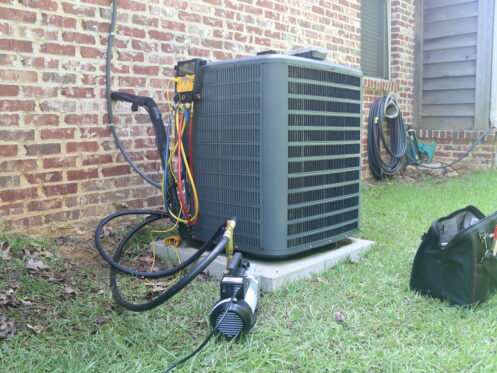
Capacitors are a component that is often ignored until the day your system will not start. This part stores and releases electrical energy to help motors kick on and run smoothly. Your outdoor unit relies on capacitors to start the compressor and the fan. When one weakens, you might hear the unit try to start, then shut back down. You might notice the fan hesitating or running at an abnormal speed. In some cases, the system runs for a short stretch, then turns off because the motor pulls too much current trying to compensate.
A failing capacitor can mimic other problems. It can look like a bad motor, a refrigerant issue, or an electrical supply concern. That is one reason it gets missed. Many homeowners focus on the thermostat or the breakers, which makes sense, but the trouble often sits in the outdoor electrical compartment. Heat and heavy run times wear capacitors down, and the decline can be gradual. You might notice weaker cooling on hotter afternoons because the compressor struggles to start cleanly. If your system makes a brief humming sound before shutting off, that can be a warning sign. A technician can test the capacitor quickly and confirm whether it is still holding the correct charge.
HVAC System Contactors
Your thermostat does not direct your system to send full power directly to your equipment. It sends a low-voltage signal that tells a contactor to close and allows high-voltage power to flow. That contactor acts like a heavy-duty switch. When it works properly, it clicks once and the system starts. When it starts to fail, you can get inconsistent responses. The outdoor unit may not turn on at all. It may start and stop in short bursts. It may stay running longer than it should even after the thermostat stops calling for power.
Contactors experience problems because they arc each time they open and close. Think of it like tiny electrical pitting that builds up on the contact points. Dirt and debris can also interfere with the mechanism. You might hear chattering, repeated clicking, or a delayed start where the indoor air handler runs but the outdoor unit does not. This is a common spot where a system can look fine from inside the house while failing outside. Since the part sits behind a service panel, homeowners often do not realize it exists. A trained technician checks the contactor condition, measures voltage, and confirms that the control signal is reaching the outdoor unit the way it should.
Condensate Drain Lines and Float Switches
Water management is one of the most overlooked parts of HVAC reliability. When your system cools, it removes moisture from the air and sends that water into a drain pan and out through a condensate line. If that line clogs, water backs up. Some systems include a float switch that shuts the system down when the drain pan fills. This safety feature prevents water damage, yet it can feel like a sudden breakdown because the system stops cooling without obvious mechanical noise.
Drain problems often show up as intermittent shutdowns. The system runs for a while, then stops. You may see water around the indoor unit or notice a damp smell near the air handler closet. In humid weather, the drain line works harder. A partial clog can turn into a full blockage fast. Algae growth, dust buildup, and trapped debris inside the line can all contribute to the problem. A float switch can also fail or stick, which leads to shutdowns that seem random. A professional service visit includes clearing the drain line, checking pan conditions, and verifying that the float switch is working as intended. This is one of those issues where a small hidden blockage can stop a system that is otherwise in good shape.
Evaporator Coils: Where Airflow and Cooling Meet
The evaporator coil sits inside your indoor HVAC unit and handles a lot of work without much attention. It absorbs heat from your indoor air and helps remove humidity. When that coil gets dirty, airflow drops and heat transfer becomes less effective. You may notice rooms take longer to cool or heat. You may notice the system runs longer and feels like it cannot catch up. A dirty coil can also cause uneven temperatures from room to room because the air handler struggles to move air through the ductwork.
Coil issues can be tricky because they often mimic thermostat or duct problems. Sometimes the coil develops a buildup you cannot see without opening panels. In other cases, the coil can freeze if airflow drops enough, creating ice that blocks the coil even more. That can lead to water on the floor once the ice melts. Coils can also develop leaks, and those leaks can reduce system performance in ways that feel gradual. If you notice weak airflow, warmer supply air than you are used to, or repeated freeze-ups, a technician should inspect the coil. Proper coil cleaning and diagnostics require the right tools and training, and it is safer to leave this work to a professional.
Blower Motors and Related Components
The blower motor inside your air handler does more than push air. It supports comfort, humidity control, and system efficiency by moving the right amount of air across the coil. When the blower motor starts to struggle, you might notice a steady drop in airflow. You might hear a squeal, a grinding sound, or a low rumble that was not there before. Some systems use separate modules to control motor speed. If a module fails, the blower may run at the wrong speed or stop running entirely.
Blower problems can also show up as short cycling. The system may overheat in heating mode because air is not moving properly across the heat exchanger. In cooling mode, the coil may freeze because the airflow is too low. You might see dust buildup around registers because the system is not filtering and moving air in a balanced way. These issues are not only comfort problems. They can strain other components and shorten system life. Since blower motors and their controls involve electrical testing and correct setup, it is not a good place for trial and error. A professional diagnosis for your HVAC confirms whether the motor, the control board, or the wiring is causing the airflow issue.
Ductwork Issues That Behave Like Equipment Failures
When some rooms feel warmer or colder than others, it is easy to assume the HVAC unit is failing. In many homes, ductwork is the real problem. A loose or disconnected return duct can pull dusty attic or crawlspace air into the system, which hurts comfort and clogs filters faster. Leaky ducts can send conditioned air into spaces you never use, like an attic or crawlspace. That wasted air results in longer run times and can leave you with uneven temperatures even when the equipment is working the way it should.
Smarter Way to Prevent Surprise Breakdowns
Breakdowns often feel sudden. In many cases, the system has been signaling trouble for weeks through airflow changes, strange noises, or uneven heating and cooling. Paying attention to the less obvious components can help you stay ahead of problems rather than react to them. Along with system repairs, Honest Home Services LLC supports homeowners with inspections, seasonal maintenance, and performance checks that focus on the parts most likely to cause disruption when they fail. If you want to keep your system running smoothly and avoid last-minute emergencies, schedule a service visit with Honest Home Services LLC in Flower Mound and get a clear picture of how your HVAC system is really holding up.