Living in North Texas means embracing the heat, but the heavy air can make our summers feel oppressive. If you’ve noticed your home feels sticky, even when the air conditioner is running, you’re not alone. Many homeowners in Flower Mound and Argyle find their AC systems work overtime yet fail to deliver the relief they expect. The culprit is high humidity, which forces your AC to perform two jobs at once: cooling the air and removing excess moisture.
This dual function is why an AC system can seem to lose its cooling power on humid days. When your air conditioner has to fight against moisture-laden air, its ability to lower the temperature is significantly reduced. Discover how humidity impacts your AC’s performance, the common problems it can worsen, and what you can do to restore cool, comfortable air to your home.
How High Humidity Impacts AC Performance in North Texas
Your air conditioner’s primary job is to absorb heat from your indoor air and transfer it outside. However, a crucial part of this process is dehumidification. As humid air passes over the cold evaporator coil, the moisture condenses into water, which is collected and drained away. This is why you see water dripping from a drain line outside your home on a hot day.
In our North Texas climate, the amount of moisture in the air is substantial. Your AC has to expend a massive amount of energy to pull this water vapor out of the air. This energy, known as latent heat, is used for the phase change from vapor to liquid.
As a result, there’s less cooling capacity left to lower the air’s temperature. Essentially, your system gets bogged down with dehumidifying and can’t keep up with cooling.
Why Your System Struggles to Remove Moisture and Heat
When humidity is relentlessly high, several internal processes within your AC system are strained. This leads to inefficiency, longer run times, and that uncomfortable, clammy feeling inside your home.
Reduced Heat Transfer at the Evaporator Coil
The evaporator coil is the heart of your indoor cooling system. For it to work effectively, there must be efficient thermal transfer between the air and the cold refrigerant inside. When excessive condensation forms on the coil due to high humidity, this layer of water acts as an insulating barrier. This makes it harder for the coil to absorb heat from the air, slowing the entire cooling cycle.
Longer Run Times Without Effective Cooling
Because heat transfer is less efficient in humid conditions, your AC system is forced to run for longer periods to reach your desired temperature setting. This leads to a noticeable increase in your electricity bills and puts continuous strain on components like the compressor and fan motors, potentially leading to premature wear.
Airflow Restrictions That Trap Humid Air
Proper airflow is critical for an AC to function correctly. Anything that impedes air from flowing across the evaporator coil will trap heat and humidity inside your home. A dirty or clogged air filter is a common issue that becomes more problematic in humid weather. The moisture can cause dust and debris to cake onto the filter, severely restricting airflow and forcing your system to work harder with diminishing results.
Common Issues That Get Worse in Humid Conditions
High humidity magnifies the effects of underlying maintenance issues. Problems that might go unnoticed in drier weather can quickly become major concerns during a muggy Texas summer.
Dirty Coils Limiting Moisture Removal
If the evaporator coil is already covered in a layer of dust and grime, its ability to cool and dehumidify is severely compromised. When humid air passes over a dirty coil, the moisture combines with the grime to create a thick, insulating sludge. This hinders the system’s ability to drain condensation, which can lead to water backups and mold growth.
Oversized Systems Short Cycling
Bigger isn’t always better when it comes to air conditioning. An oversized unit cools the air in your home very quickly, but it shuts off before it has had enough time to remove adequate moisture. This phenomenon, known as short cycling, leaves your home feeling cool but damp as the humidity remains high.
Low Refrigerant Affecting Cooling Capacity
Refrigerant is the substance that absorbs and releases heat. If your system has a leak and is low on refrigerant, the evaporator coil won’t get cold enough to effectively cool the air or condense moisture. This problem becomes especially apparent during high heat and humidity when the system is under maximum load. The AC will run continuously but produce only lukewarm air.
Signs Your AC Is Losing Cooling Power
It’s important to recognize the warning signs that your air conditioner is struggling with humidity. Addressing these symptoms early can prevent more significant problems and restore comfort to your home.
- Sticky or clammy indoor air
- AC runs constantly but doesn’t cool
- Musty odors from vents
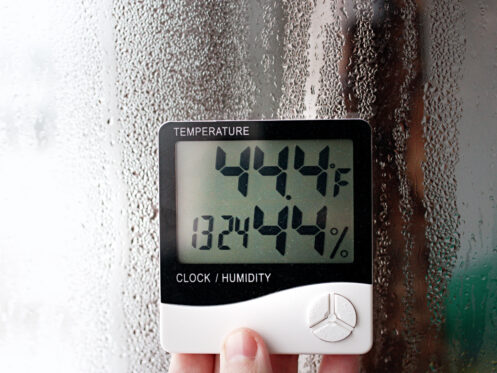
- Condensation on windowpanes
- Unusually high energy bills
- Water pooling near the indoor unit
How Proper Maintenance Restores Cooling Efficiency in Humid Air
The most effective way to combat the effects of humidity on your AC is through regular, professional maintenance. A comprehensive tune-up ensures every component of your system is clean, calibrated, and working together to manage both temperature and moisture.
During a maintenance visit, a technician will clean the evaporator and condenser coils, removing the built-up dirt that hinders heat transfer. They will also check refrigerant levels, inspect and clear the condensate drain line to prevent backups, and test airflow. An annual AC tune-up in Flower Mound, TX, prepares your system to handle humid summers, restoring its efficiency and cooling power.
When It’s Time to Consider System Upgrades
While maintenance can solve many humidity-related performance issues, sometimes, an aging or improperly sized system is the root of the problem. If your AC is more than 12 years old, requires frequent repairs, or fails to dehumidify your home, it may be time to consider an upgrade.
Modern air conditioners are more energy-efficient and offer advanced features designed to manage humidity, such as variable-speed blowers. A properly sized new system will provide superior comfort and lead to savings on your energy bills. Our team can assess your home’s needs to recommend a system for optimal cooling and dehumidification.
Get Back to Consistent Cooling in Humid Weather
Don’t let the thick, humid air of a North Texas summer make your home uncomfortable. Understanding that your AC is fighting both heat and moisture is the first step. Most performance issues are rooted in underlying problems magnified by humidity, and most can be corrected with professional care. The best way to keep your system running efficiently is by investing in proactive upkeep.
At Honest Home Services LLC, we believe the most effective strategy for homeowners is our Platinum Maintenance Plan. This comprehensive plan ensures your system is always ready to perform at its best. If you’re tired of feeling sticky and warm in your home, contact our team for reliable AC services in Flower Mound, TX, and we will help you get back to feeling comfortable.
FAQs
When humidity is high, your AC dedicates a significant portion of its energy to removing moisture from the air instead of lowering the temperature. If underlying issues like dirty coils or low refrigerant exist, the system will struggle to do either job effectively. This ends up leaving your home feeling damp despite running constantly.
Absolutely. High humidity slows the evaporation of sweat from your skin, which is your body’s natural cooling mechanism. When the air is saturated with moisture, you feel warmer, even if the air temperature on the thermostat is relatively low.
The best way is to schedule regular professional maintenance to ensure your system is clean and operating at peak efficiency. You can also help by changing your air filter every month, using ceiling fans to circulate air, sealing air leaks, and using exhaust fans in kitchens and bathrooms to vent humid air outside.