When your air conditioner struggles to keep your home cool, it’s natural to assume the problem lies with the unit itself. However, the source of many cooling issues isn’t in your yard but right above your head. In the intense North Texas heat, a poorly ventilated attic can reach extreme temperatures, creating a massive heat source above your living space.
This trapped heat forces your cooling system to fight a constant battle against heat radiating down from the ceiling, leading to inefficiency, discomfort, and premature wear. Understanding the hidden connection between attic heat and your AC’s performance is critical to improving your home’s comfort.
Poor Attic Ventilation Traps Heat Above the Home
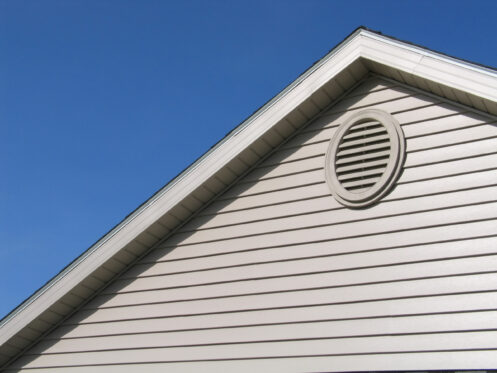
A properly functioning attic is designed to breathe. It needs a balanced system of intake vents, often in the soffits under the eaves, and exhaust vents, such as ridge or gable vents near the roof’s peak. This creates a continuous flow of air that pushes out the superheated air that builds up from the sun beating down on your roof. When these vents are blocked, damaged, or improperly sized, that airflow stops.
Without proper ventilation, heat becomes trapped in the attic, where temperatures can easily soar to 150°F or more during the summer. This immense heat load doesn’t just stay in the attic; it radiates downward through the insulation and drywall, warming the ceilings and the rooms below, especially on the second floor.
Why Your AC Runs Longer When the Attic Is Too Hot
Your air conditioner’s job is to remove heat from your living space until the indoor temperature matches your thermostat setting. When your attic is constantly pushing radiant heat down through the ceiling, the AC is fighting a losing battle. The system has to run much longer and more frequently to compensate for this extra heat gain, which has several negative consequences.
For one, it drives up your summer energy bills significantly. Additionally, the extended run times put excessive wear and tear on crucial components like the compressor and fan motors, increasing the likelihood of a breakdown. This situation also explains why your home might feel slow to cool down during the peak heat of a Flower Mound afternoon, even when the AC is running full blast.
Uneven Cooling Can Start Above the Ceiling
Do you have a second-floor bedroom that’s always warmer than the rest of the house? Or perhaps a bonus room or office that feels stuffy and uncomfortable? These common “hot spots” are often a direct result of a sweltering attic. Rooms on the upper level, as well as hallways and spaces near attic access panels, have the most surface area directly exposed to the attic.
The intense radiant heat coming from the ceiling can easily overwhelm the amount of cool air being delivered by your vents. This creates noticeable temperature imbalances. It forces you to either over-cool the downstairs to make the upstairs bearable or simply live with uncomfortable rooms that never seem to get enough relief from the summer heat.
Attic Heat Can Make Duct Problems Worse
In many North Texas homes, a significant portion of the ductwork that delivers cool air is located in the attic. This arrangement makes the integrity of your ducts and the condition of your attic inseparable. If your ducts have small leaks, loose connections, or inadequate insulation, a hot attic makes these problems much worse.
The system may pull hot, dusty, and unfiltered attic air into your conditioned airstream, reducing cooling capacity and harming your home’s air quality. At the same time, cooled air can leak out of the ducts and be wasted in the scorching attic space. This forces your AC to work even harder to cool your home while delivering warmer, lower-quality air to your rooms.
Poor Ventilation Can Also Trap Moisture
Heat isn’t the only concern in a stagnant attic; moisture is another significant issue. Everyday household activities like cooking, showering, and laundry generate water vapor that naturally rises. In an attic with poor airflow, this humid air has nowhere to go.
It can become trapped and may condense on surfaces like roof decking, insulation, and wood framing during cooler periods or overnight. Over time, persistent moisture can compromise the R-value of your insulation by causing it to become compacted and matted. Addressing these issues is an important part of managing your home’s overall health and may reduce concerns about your indoor air quality.
What Are the Signs of Poor Attic Ventilation?
Because the attic is out of sight, it’s easy to overlook ventilation problems. However, your home often provides clues that something is wrong. Paying attention to these signs can help you identify a potential issue before it leads to a major repair.
- Consistently hot upstairs rooms
- AC runs constantly
- Unusually high cooling bills
- Musty or stuffy attic smell
- Warm ceilings or registers
- Noticeable temperature differences
- Weak or warm airflow from vents
- Attic condensation or moisture
- AC struggles in the late afternoon
It’s important to remember that these signs can also indicate other problems, such as duct leaks, low refrigerant, or insulation deficiencies. Understanding proper home ventilation can help, but a professional evaluation is the best way to pinpoint the exact cause of your cooling troubles.
Where HRV Ventilation Fits In
When discussing airflow, it’s helpful to distinguish between attic ventilation and whole-home ventilation systems. While attic vents move air through the unoccupied space above your home, whole-home systems focus on the air you actually breathe. One of the most effective solutions is an HRV system. An HRV, or heat recovery ventilator, is a mechanical system that exchanges stale indoor air with fresh outdoor air. During the process, it transfers heat energy, helping to pre-cool the incoming fresh air in the summer.
This allows you to bring fresh air into a modern, tightly sealed home without the significant energy penalty of just opening a window. An HRV is a key component of a complete indoor air quality strategy, working alongside proper attic ventilation and ductwork to create a healthier, more comfortable home environment.
Fixing the AC Alone May Not Solve the Comfort Problem
If your car had a slow leak in a tire, you wouldn’t solve the problem by just putting a bigger engine in it. The same logic applies to your home’s cooling system. If the underlying issue is an overheated attic or leaky ductwork, simply repairing or even replacing your AC unit with a brand-new, high-efficiency model won’t solve the comfort problem. The new equipment will just be forced to struggle against the same extreme conditions, reducing its lifespan and failing to deliver the promised efficiency.
A lasting solution requires a holistic diagnosis that looks at how all the components work together. A professional should assess the AC unit, duct system, insulation levels, and attic ventilation. This will create a complete picture of your home’s performance and offer comprehensive home comfort solutions.
When to Call for Cooling and Ventilation Help
If you’re experiencing any of the persistent comfort issues discussed here, it’s time to call in a professional. Contact our team if your AC runs constantly, your upstairs rooms refuse to cool down, your energy bills are rising, or the air in your home feels stale.
At Honest Home Services LLC, we look beyond the obvious. Our experienced technicians can thoroughly evaluate your entire cooling system to identify the true source of the problem. We can determine if the issue stems from your equipment, your ductwork, or inadequate attic ventilation. From there, we can discuss effective solutions, whether it’s an AC repair, duct sealing, or exploring whole-home ventilation options like HRV installation.
Keep Your Flower Mound Home Cooler With Better Ventilation Support
A cool and comfortable home during a sweltering North Texas summer relies on a system of parts working together, not just a powerful AC unit. Proper attic ventilation is a crucial but often overlooked element. That is because it protects your cooling equipment from overwork, helps lower your energy consumption, and ensures more even temperatures throughout your home.
Don’t let a hot attic undermine your comfort. For a complete assessment of your home’s cooling and ventilation systems, trust the team at Honest Home Services LLC. Contact us today to schedule service for your Flower Mound home.