Your HVAC system’s blower motor is a critical component, powering the fan that pushes heated or cooled air through your ductwork and into your home. When it starts to fail, your comfort is at risk. Warning signs of a failing blower motor often include weak airflow, strange noises, inconsistent operation, overheating, burning odors, or a fan that suddenly stops working. For homeowners in Flower Mound, TX, where a powerful air conditioner is essential during the long, hot summers, a healthy blower motor is nonnegotiable.
Identifying potential blower motor problems early can prevent a complete system breakdown on the hottest day of the year. Paying attention to changes in your HVAC system’s performance helps maintain indoor comfort, prevents more extensive damage, and lets you schedule repairs on your terms.
What Does an HVAC Blower Motor Do?
The blower motor is the heart of your home’s air circulation system. It powers the fan inside your indoor air handler or furnace, which circulates conditioned air throughout your home. Without it, the cool or warm air you need would never reach the rooms you live in.
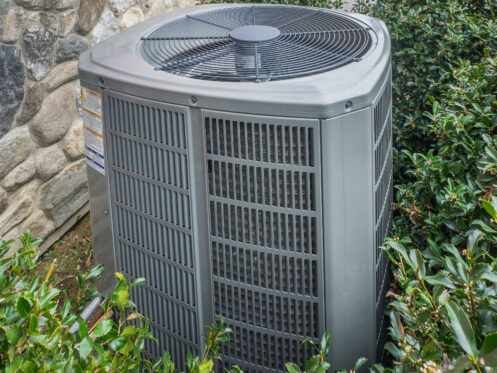
Blower motor problems can significantly reduce airflow and comfort even when the other parts of your HVAC system are operating perfectly. The indoor blower motor is a separate component from the fan motor in your outdoor AC unit, which expels heat from the condenser.
What Are the Warning Signs of a Bad HVAC Blower Motor?
A failing blower motor rarely stops working without giving some warning. The most common symptoms relate to changes in airflow, sound, and system operation. However, these symptoms sometimes point to other HVAC problems, so get a professional HVAC diagnosis.
Weak or Little Airflow From the Vents
One of the most common signs of a struggling blower motor is a noticeable drop in the volume of air coming from your vents. You might put your hand up to a register and feel only a weak stream of air, even when the system is running. A failing motor may not have enough power to turn the fan at the proper speed, resulting in poor circulation.
Less severe issues can also cause weak airflow. A clogged air filter is a common cause, as it restricts air from entering the system. Problems within your ductwork, such as leaks or blockages, can also reduce airflow to certain rooms.
Unusual Noises Coming From the HVAC System
Your HVAC system should operate with a consistent, low hum. New and unusual sounds often signal that something is wrong. When a blower motor is failing, you might hear loud grinding, high-pitched squealing, or metallic rattling and screeching noises coming from your indoor equipment.
These sounds often indicate a mechanical problem within the motor itself. Worn-out bearings commonly cause squealing and grinding as they lose lubrication. A rattling noise could come from a loose component or an unbalanced fan blade.
The Blower Starts and Stops Unexpectedly
A healthy blower motor runs continuously throughout a heating or cooling cycle. If the blower fan starts and stops randomly, something’s wrong. The motor might shut off before your home has reached the temperature set on your thermostat or struggle to start at the beginning of a cycle.
The motor could be overheating and shutting itself down as a safety precaution. Other causes could include faulty wiring, a failing relay, or a problem with the control board that sends signals to the motor.
Burning Smells or an Overheating HVAC System
A burning odor coming from your vents is a serious warning sign that requires immediate attention. A struggling blower motor can overheat and produce a distinct electrical or metallic burning smell. Dust burning off a hot motor, or failing electrical components connected to it, can also cause this odor.
If you notice any kind of burning smell, turn off your HVAC system at the thermostat and the circuit breaker right away to avoid a fire hazard. Then call a professional for an emergency AC repair.
The Blower Fan Does Not Run at All
The most obvious sign of a problem is when the blower fan does not run at all. You might hear your outdoor AC unit kick on, but no air ever comes out of the vents inside. This could mean the blower motor has burned out.
However, a dead motor is just one possibility. The issue could also be a bad capacitor that fails to provide the initial jolt of electricity, a faulty thermostat, a tripped breaker, or a malfunctioning control board. Proper troubleshooting is essential to avoid replacing a motor that is still in good working order.
Should You Repair or Replace an HVAC Blower Motor?
Deciding whether to repair or replace a blower motor depends on the specific problem and your HVAC system’s overall health. In some cases, a minor HVAC repair can solve the problem. If the issue is a bad capacitor or a loose wire, a technician can address that component for much less than a full motor replacement.
However, if the motor itself has burned out or sustained severe mechanical damage, replacement is typically the only option. When making this decision, you and your technician should also consider your HVAC system’s age. If your system is over 12 years old, investing in a major repair like a new motor might not be as cost-effective as installing a more efficient system.
What Happens if You Keep Running an HVAC System With a Bad Blower Motor?
Ignoring the warning signs of a failing blower motor can lead to bigger problems. Continuing to run a struggling motor will cause poor airflow, uneven temperatures throughout your home, and a general lack of comfort. Your system will run longer and harder to cool your home, which can lead to higher energy bills.
This added strain can also cause damage to other critical HVAC components, like the compressor or heat exchanger, due to overheating from lack of proper airflow. In a climate like Flower Mound’s, where cooling demands are high for much of the year, a healthy blower motor is vital for reliable and efficient performance.
What Should You Expect During Blower Motor Replacement?
A professional service call for a suspected blower motor issue should always start with a thorough diagnosis. A qualified technician will not assume the motor is the problem based on symptoms alone. They will inspect the entire blower assembly, test the motor, and check related electrical components like the capacitor, control board, and wiring.
The technician will confirm whether replacement is actually necessary. If it is, they will source a compatible motor that matches your system’s specifications.
The replacement process involves disconnecting the power, removing the blower assembly, swapping the old motor for the new one, and re-installing it. Afterward, they will test the HVAC system to ensure proper operation and airflow. This diagnostic-first approach ensures you only pay for the repairs you truly need.
How Can You Help Prevent Blower Motor Problems?
While all mechanical parts eventually wear out, you can take steps to extend the life of your blower motor. The most important one is to replace or clean your HVAC air filter regularly. Also, don’t let furniture, rugs, or drapes block your supply and return vents. Finally, schedule routine professional HVAC maintenance.
Get Professional HVAC Service in Flower Mound, TX
If you notice weak airflow, strange noises, intermittent operation, or burning odors from your HVAC system, schedule a professional inspection. These symptoms can point to a failing blower motor, but they don’t automatically mean you need a replacement.
At Honest Home Services LLC, our team puts honesty and ethics first. We are committed to accurately diagnosing your system’s problems and recommending the right solution for your home and budget.
When you suspect a blower motor or airflow problem, contact Honest Home Services LLC for expert HVAC repair in Flower Mound.