Hard water damage is a home maintenance issue that often goes unnoticed until it is too late. Unlike a sudden leak, the problems caused by mineral-rich water happen gradually, building up inside your pipes, fixtures, and appliances over time.
For homeowners in Flower Mound and across North Texas, understanding the signs of hard water is the first step in protecting your plumbing system’s longevity and efficiency. We will explain the key signs and what you can do to prevent costly damage.
What Hard Water Does Inside Your Plumbing
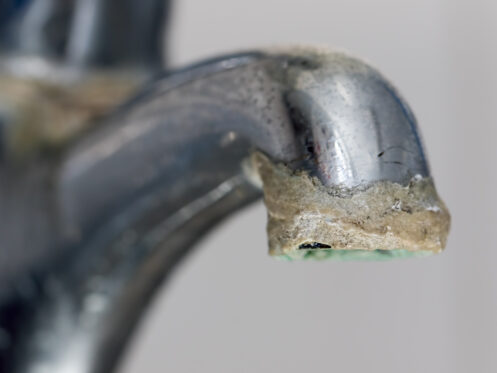
Hard water has a high concentration of dissolved minerals, primarily calcium and magnesium. While these minerals are not harmful to your health, they can cause significant problems for your plumbing. As this water flows through your pipes, it leaves behind mineral deposits that harden into a chalky substance called lime scale.
Over time, this scale accumulates and narrows the diameter of your pipes. This process restricts water flow, reduces water pressure throughout your home, and puts extra strain on the entire system. In some cases, constant mineral exposure can accelerate corrosion in older metal pipes, increasing the risk of pinhole leaks and pipe failure.
Why Water Heaters Are Especially Vulnerable
Your water heater is often the first major appliance to suffer from the effects of hard water. When water is heated, calcium and magnesium minerals separate and settle at the bottom of the tank, forming a thick layer of sediment. This buildup creates an insulating barrier between the heating element or burner and the water it is supposed to heat.
As a result, your water heater must work much harder and run longer to reach the set temperature, driving up your energy bills. This constant overheating can damage the tank’s inner lining and cause the heating elements to burn out prematurely. In severe cases, the pressure and heat buildup can lead to complete system failure and require an expensive replacement.
How Do I Know If Hard Water Is Damaging My Plumbing?
Since the most significant damage from hard water happens out of sight, you need to recognize the external symptoms. Many homeowners do not connect common household annoyances to their water quality, but the signs are often hiding in plain sight. You do not have to wait for a major plumbing failure to know you have a problem.
By paying attention to your fixtures, appliances, and daily routines, you can identify the telltale signs of hard water. Spotting these clues early allows you to take preventive action before the mineral buildup leads to irreversible damage and costly repairs. The following sections explore the specific areas where these signs appear most clearly.
Fixtures and Faucets Show the Earliest Clues
Your kitchen and bathroom fixtures are on the front lines of the battle against hard water and often show the most obvious evidence. Look for a stubborn, chalky white residue on your faucets, showerheads, and drains. This is lime scale, and if you see it on the outside, you can be certain it is also building up on the inside.
This internal accumulation causes showerhead nozzles to clog, reducing a strong spray to a weak trickle. You might also notice that the aerators on your faucets get blocked frequently, impacting water pressure. These mineral deposits can also damage the rubber washers and seals inside your faucets, leading to persistent drips and leaks.
Appliances Can Wear Out Faster
Hard water significantly shortens the lifespan and reduces the efficiency of your water-using appliances. In your dishwasher, mineral buildup can clog the spray arms, leave a cloudy film on your glasses, and damage the heating element. In your washing machine, hard water makes it difficult for soap to lather, forcing you to use more detergent to get your clothes clean.
Over time, scale can also build up in the water inlet valves and hoses, restricting flow and leading to malfunctions. Even your coffee maker and ice maker are at risk. The same mineral deposits that clog your pipes can block the small internal components of these appliances, causing them to fail years sooner than expected.
Small Plumbing Problems Can Point to a Larger Water Issue
Sometimes, what seems like a series of unrelated minor plumbing issues is actually a symptom of one underlying cause: hard water. If you find yourself dealing with recurring problems, it may be time to consider your water quality. The persistent issues we’ve mentioned are often the direct result of mineral scale accumulating throughout your plumbing system, causing stress, blockages, and premature wear on components. Recognizing this pattern is key to addressing the root problem.
- Slow-draining sinks and tubs
- Frequently clogged pipes or toilets
- Low water pressure at multiple fixtures
- Banging or rattling noises from your pipes
- Water heater making popping or rumbling sounds
- Faucets and valves that become stiff or hard to turn
- Leaks from appliance connections or water heater fittings
Water Softeners and Filtration Can Help Protect the System
The most effective way to protect your entire home from hard water damage is to install a whole-house water softener. These systems work through a process called ion exchange, which removes hard minerals like calcium and magnesium and replaces them with sodium ions. This softened water will not leave behind the damaging lime scale deposits that clog pipes and ruin appliances.
By treating water as it enters your home, a water softener protects every part of your plumbing system, from the pipes in your walls to your water heater and faucets. Investing in water treatment solutions is a proactive measure that can save you thousands in future repairs, extend the life of your appliances, and improve your water’s performance.
Maintenance Still Matters After Water Treatment
Installing a water softener is a huge step toward protecting your plumbing, but it does not reverse existing damage. Any scale that has already built up inside your pipes and water heater will remain. That is why professional plumbing maintenance is still essential.
A comprehensive inspection can identify areas where mineral buildup may have already caused significant restriction or corrosion. We also recommend regular water heater flushes to remove any sediment that accumulated before the softener installation. Think of a water softener as a preventive tool for the future, while routine maintenance from a trusted professional helps manage your system’s health today.
When to Have a Plumber Check
If you are noticing any of the signs we have discussed, from chalky fixtures to appliance issues or recurring clogs, it is a good time for a professional opinion. One of our skilled plumbers can perform a thorough inspection to assess the current condition of your pipes, fixtures, and water heater. We can help you determine the severity of any existing scale buildup and recommend the best course of action.
Whether you need a simple water heater flush or a whole-house water softener, our team provides honest assessments and expert guidance. As a family-owned company with over 20 years of combined experience, we are dedicated to providing reliable and trustworthy professional plumbing services.
Protect Your Flower Mound Plumbing From Hard Water
Hard water is a common challenge for homeowners in our area, but the damage it causes does not have to be inevitable. By spotting the early warning signs and understanding your options, you can protect your investment and prevent costly repairs. From visible scale on your faucets to hidden sediment in your water heater, the clues are there if you know what to look for. A whole-house water softener is the best defense, safeguarding your entire system for years to come.
If you suspect that hard water is affecting your home, trust the experts at Honest Home Services LLC. For a comprehensive plumbing inspection in Flower Mound, TX, contact us today.